
When Children Grieve: What to Say and How to Help
Online Grief Resources for Children
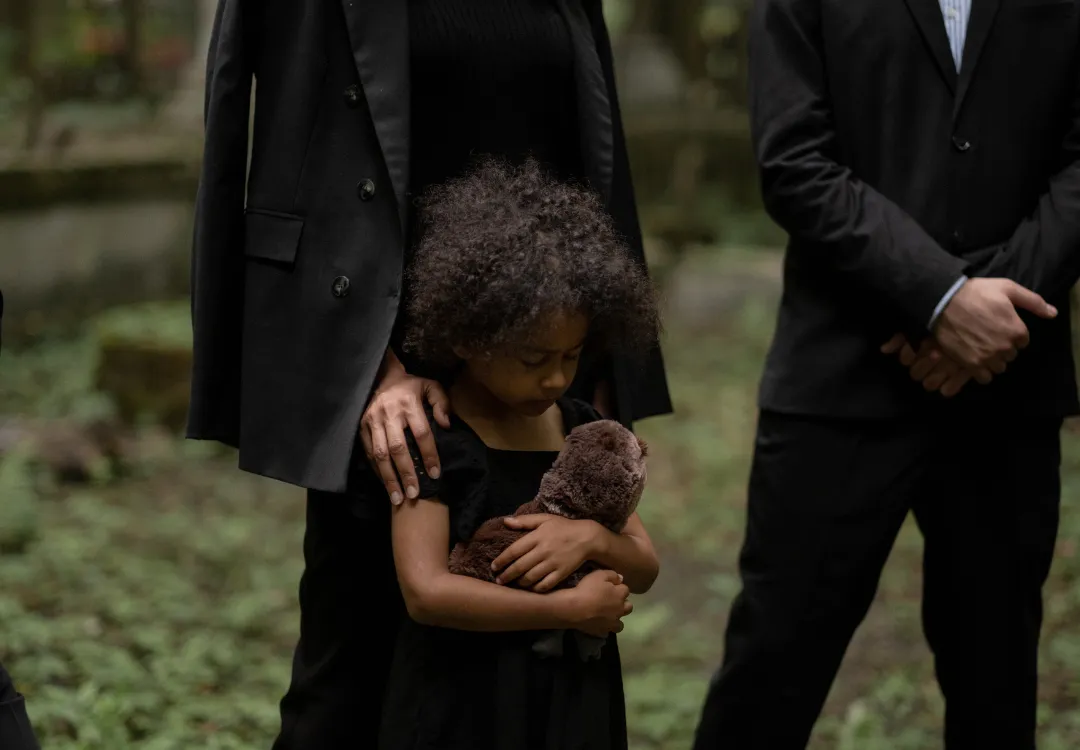
Talking to Children After the Loss of a Loved One
Children experience grief differently than adults. While adults may process loss through extended periods of sadness, reflection, or withdrawal, children often move in and out of their grief — crying one moment and playing the next. This isn’t a sign that they aren’t mourning; it’s simply how children cope. Play, in fact, can be a healthy and natural way for them to process overwhelming feelings.
Let Them Feel, Let Them Talk
One of the most important ways to help a grieving child is to create a space where it’s safe to express emotions. Encourage them to talk about the person who died, share memories, and ask questions. Reading age-appropriate books about death, looking at photos together, or telling stories can help them openn up. It's also okay — and helpful — for children to see you grieve. When you cry or share your sadness, you’re showing them that it’s normal to feel deeply and that they’re not alone in their pain. Grieving together can strengthen the connection between you and provide mutual comfort.
Speak Honestly, But Simply
Children need honesty, but in language they can understand. Use clear, concrete terms like “died” or “death” instead of euphemisms like “went to sleep,” which can be confusing or even frightening. Young children in particular may not grasp the permanence of death, and may ask the same questions multiple times — that’s okay. Patience and consistency are key.Don’t feel the need to over-explain. Often, short and sincere answers are enough. For example: “Yes, Grandpa died. I feel sad, too. What are you feeling?”
Watch for Regressions — and Be Reassuring
It’s normal for children to regress after a loss. Potty-trained kids might have accidents again, or older children might revert to baby talk. Anxiety is also common — especially concerns about the safety of surviving parents or caregivers. Reassure them with consistent routines, comforting words, and quality time.Let them know they are safe and that you’ll be there for them. Maintaining as much of their normal schedule as possible will help provide a sense of security during a time that may feel confusing and uncertain.
Don’t Avoid the Conversation
You may feel tempted to protect your child by avoiding discussions about death — but silence often leads to confusion and a sense of isolation. Open, age-appropriate conversations let children know their feelings are valid and shared. Ignoring the loss can actually make it more frightening.